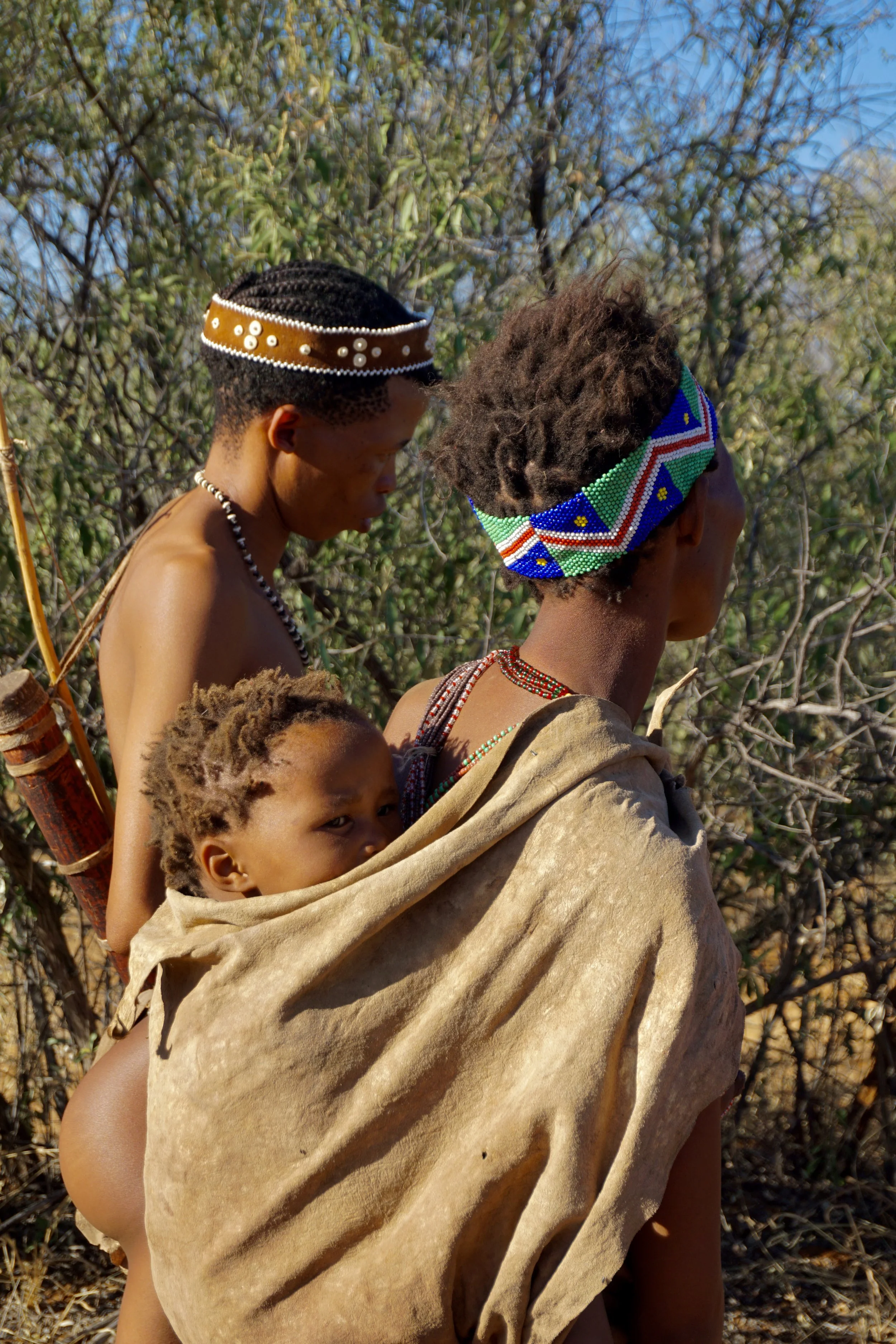
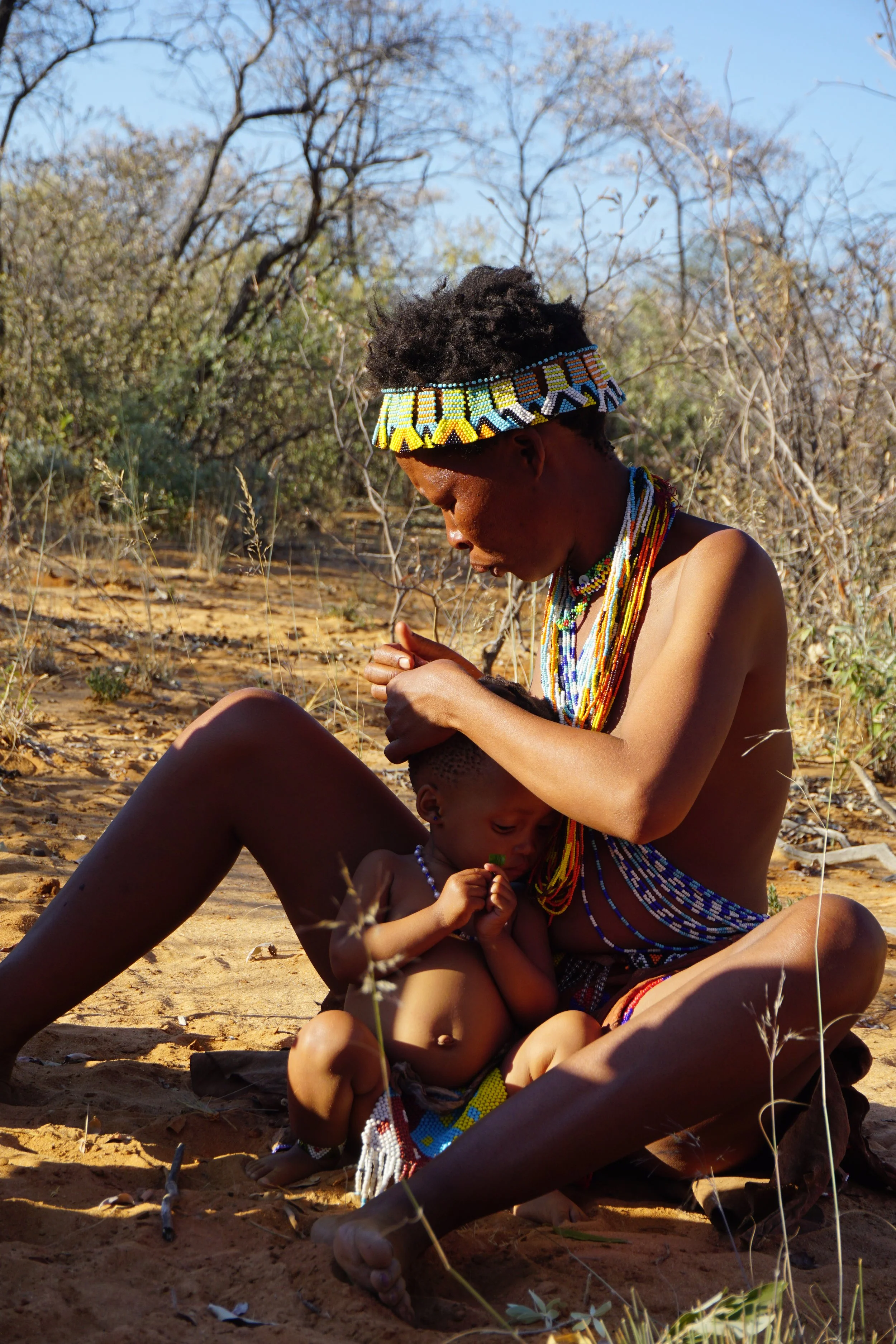
Between theglazeThese photographs were taken while I was volunteering in Namibia. A San guide brought us to his village, where members of the community demonstrated practices they described as traditional: braiding hair, gathering around the fire pit, and locating water using the magical plant bi! bulb beneath dry sand when surface sources disappear.
Yet the presence of the camera altered the space. Each shutter marked a subtle shift. Actions that might otherwise have remained ordinary became performances shaped by the expectations of visitors who had come to witness them.
Later, a friend from the village explained that most of the people I photographed do not live this way every day. The clothing and demonstrations are prepared when tourists arrive. What visitors seek is an image of tradition, and the village provides it. The performance becomes a form of labor. The realization reframed the photographs. What first appeared as documentation now revealed a more complicated exchange: curiosity, livelihood, and the unequal power of the gaze. The camera does not simply record culture. It participates in shaping how culture is presented.
These images remain within that tension. They show gestures of care and community, but they also reflect the conditions that made the images possible: a meeting between those who look and those who are expected to be seen.
*Photography was permitted, and publication was agreed upon.
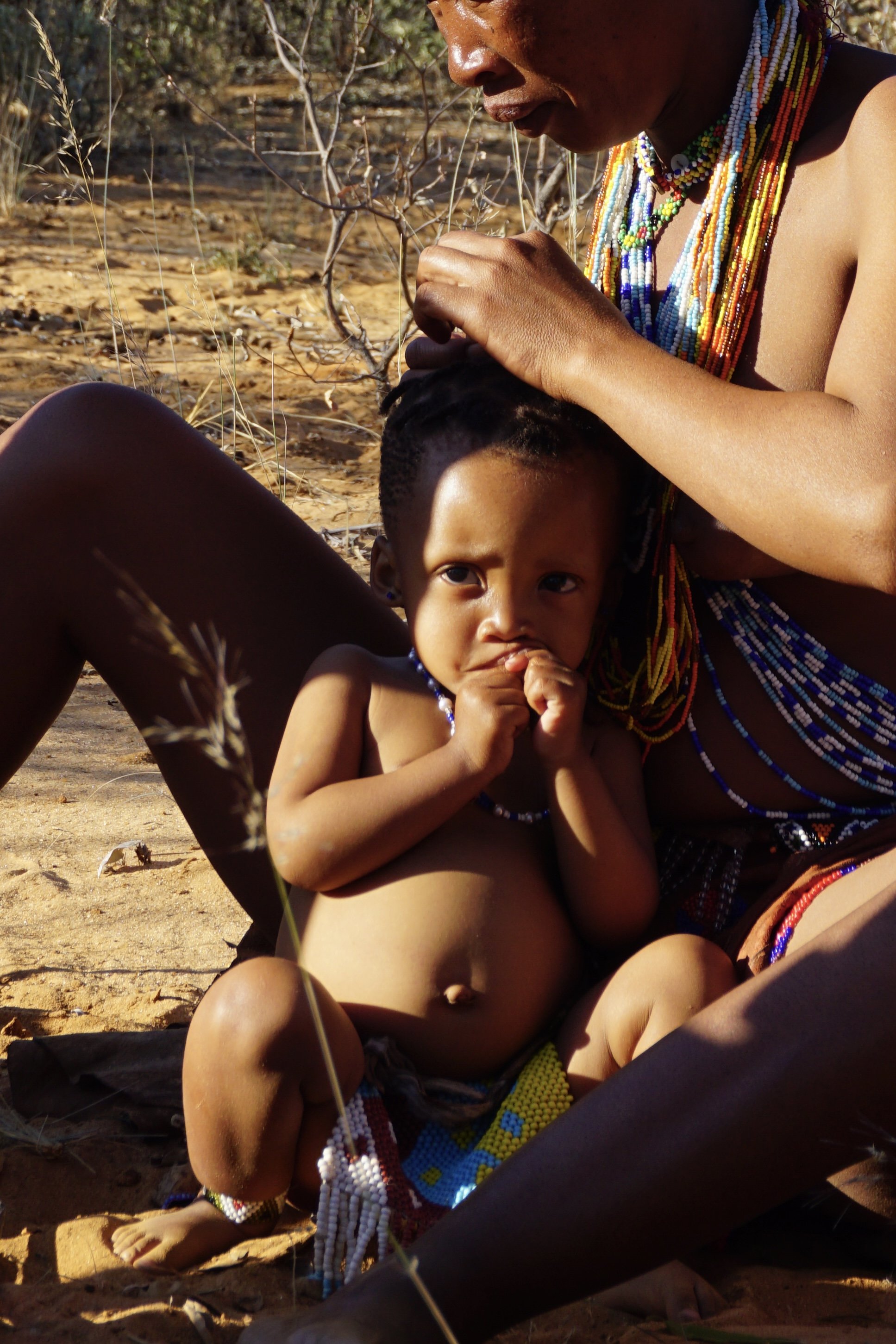
Returned Glaze
For an instant, the roles dissolve. The camera seeks to document, yet the child’s gaze interrupts that certainty. The photograph becomes less about what is shown than about the uneasy exchange between seeing and being seen.
Held
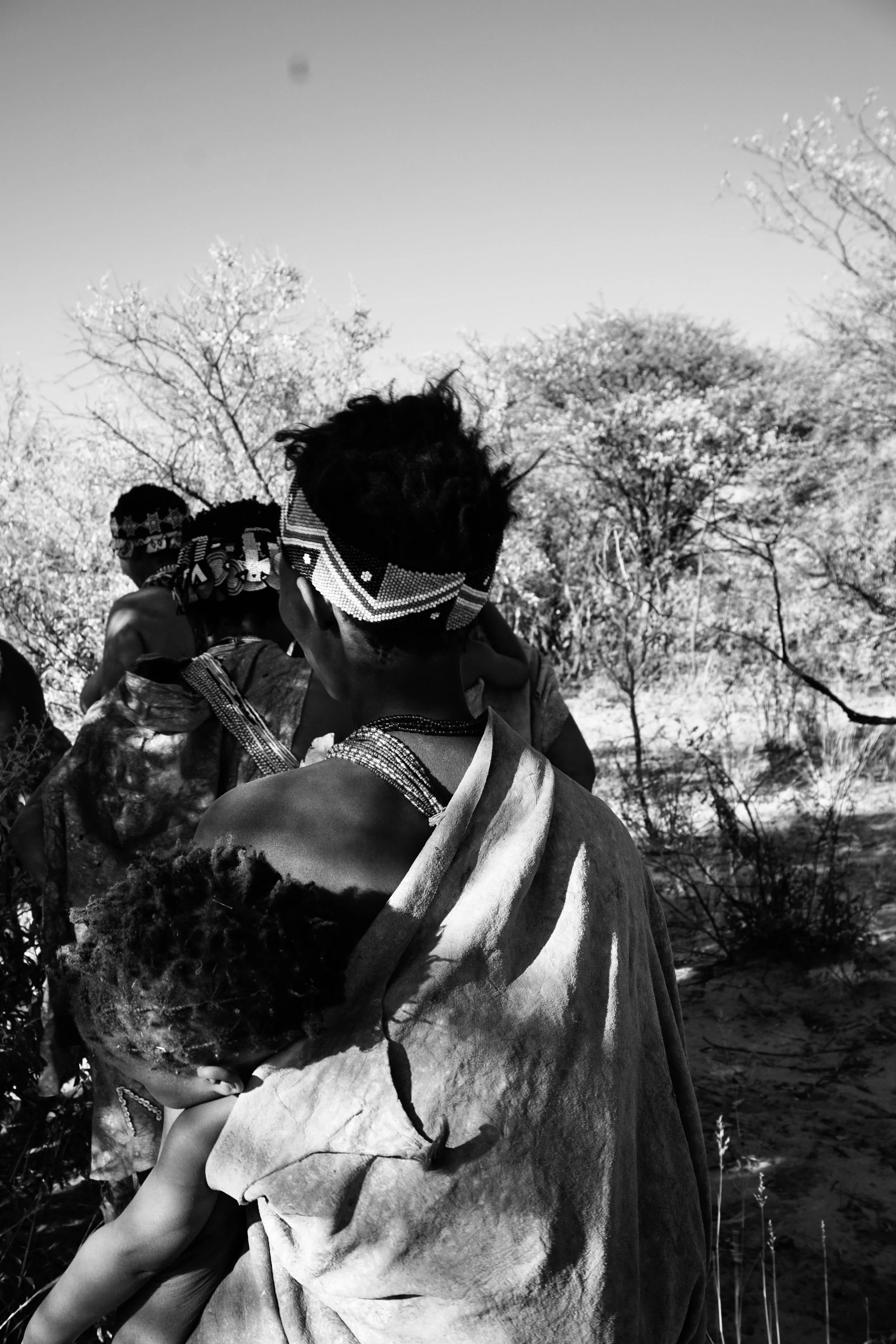
The women move through the bushes with children resting on their backs, a gesture so practiced it seems effortless. Watching them, I became aware of the strange asymmetry of the moment: they continued their lives while we observed. As Sartre writes about the gaze, being seen can suddenly turn an ordinary act into something exposed.
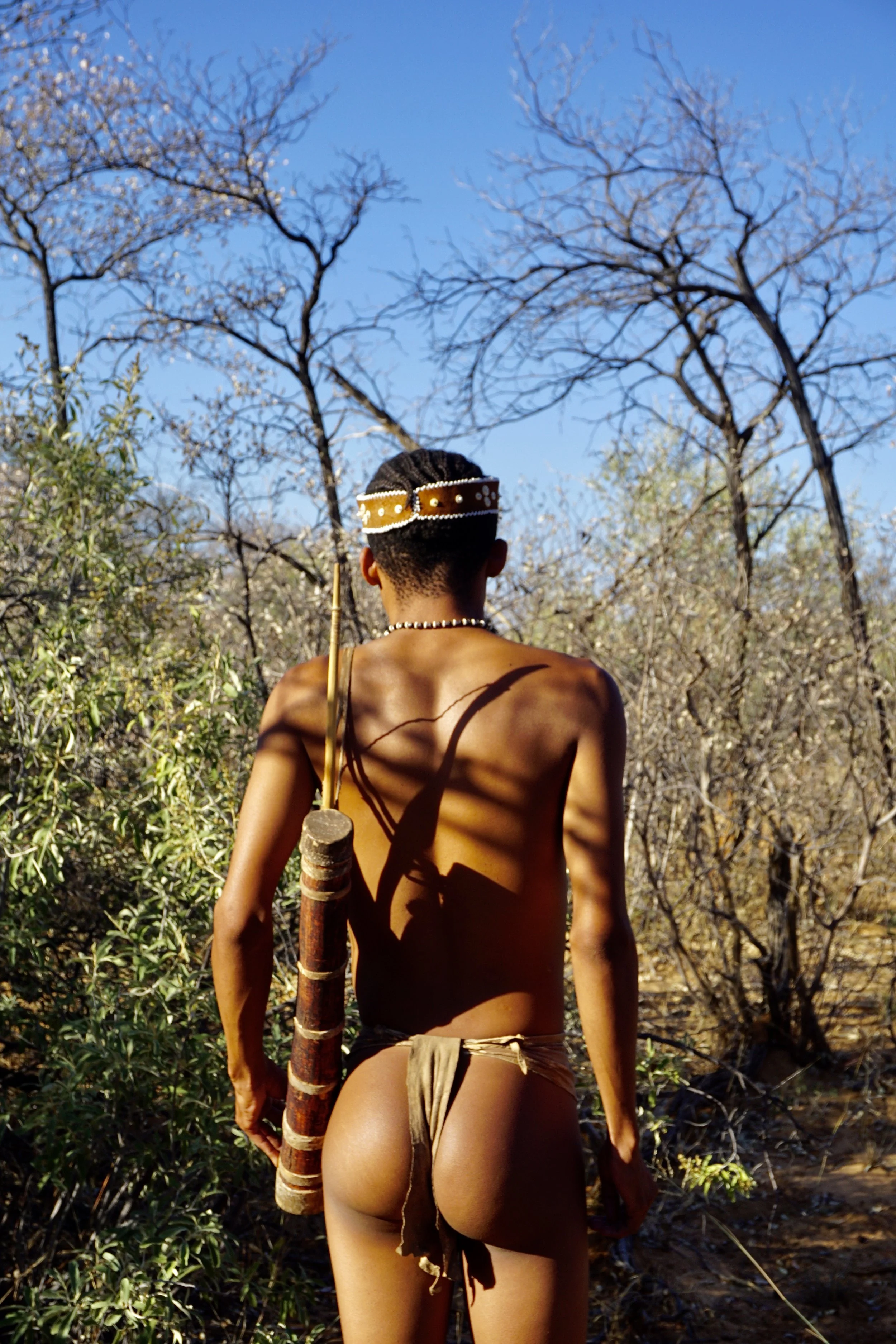
Guide to Glaze?
He moves ahead through the trees, guiding us to where the bi! bulb can be found under the sand. Though he is one of the youngest guides, he carries himself with a steady confidence. When I asked if he minded the photograph, he smiled and told me he was so, so proud to be a part of the San people, and that the image should be seen. Glaze was never there in his lenses.