Shared Territory
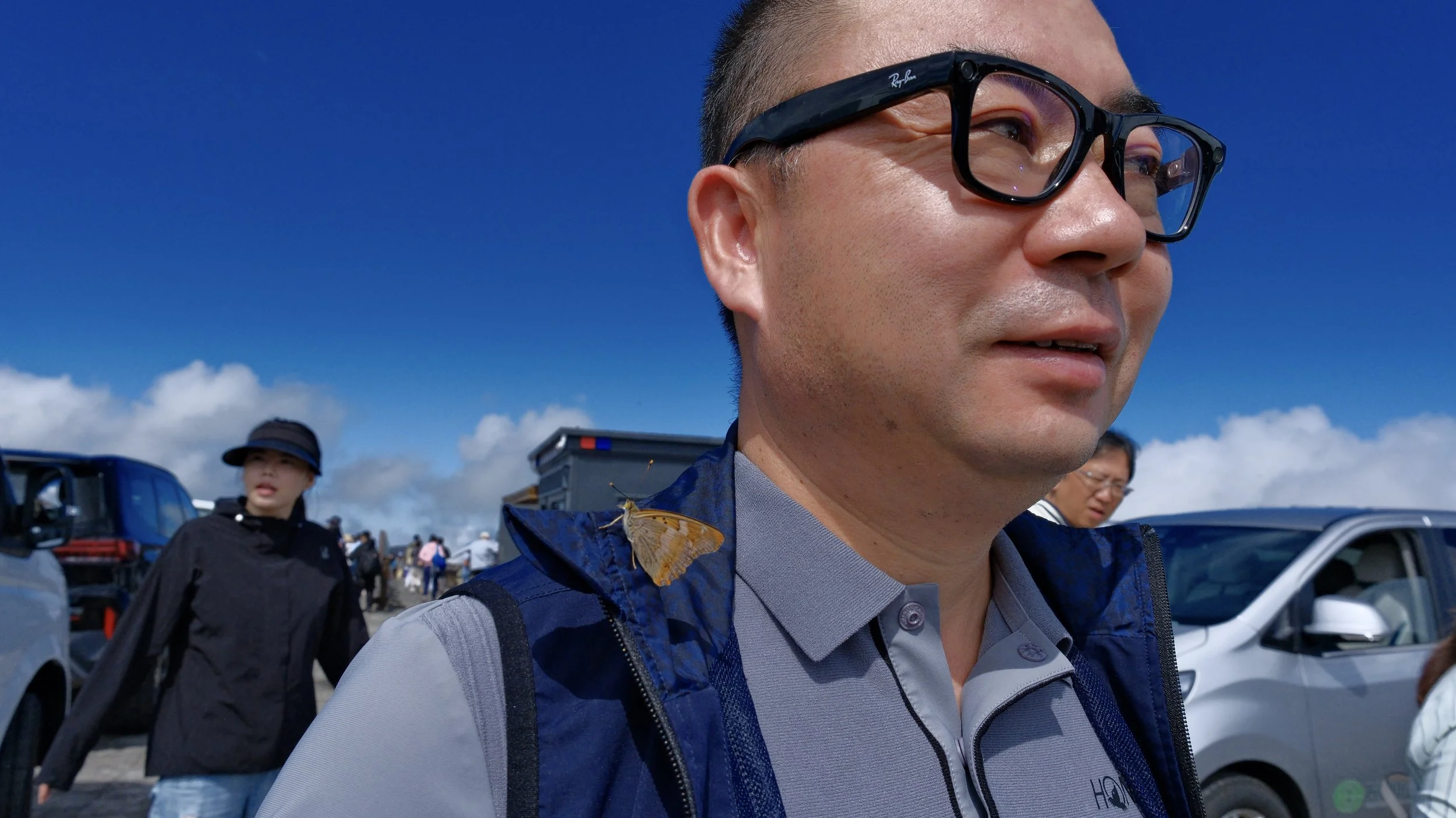
This series examines brief intersections between human and nonhuman life, asking how different species inhabit the same world while rarely sharing the same perspective. Philosophers and naturalists have long challenged the idea that humans stand apart from the rest of the living world. Instead, they suggest that life unfolds through networks of dependence, perception, and encounter. By documenting moments of stillness, care, and chance interaction, these photographs explore what the biologist and philosopher Jakob von Uexküll called the Umwelt: the unique perceptual world each organism inhabits (Uexküll, A Foray into the Worlds of Animals and Humans, 1934).
First Shelter
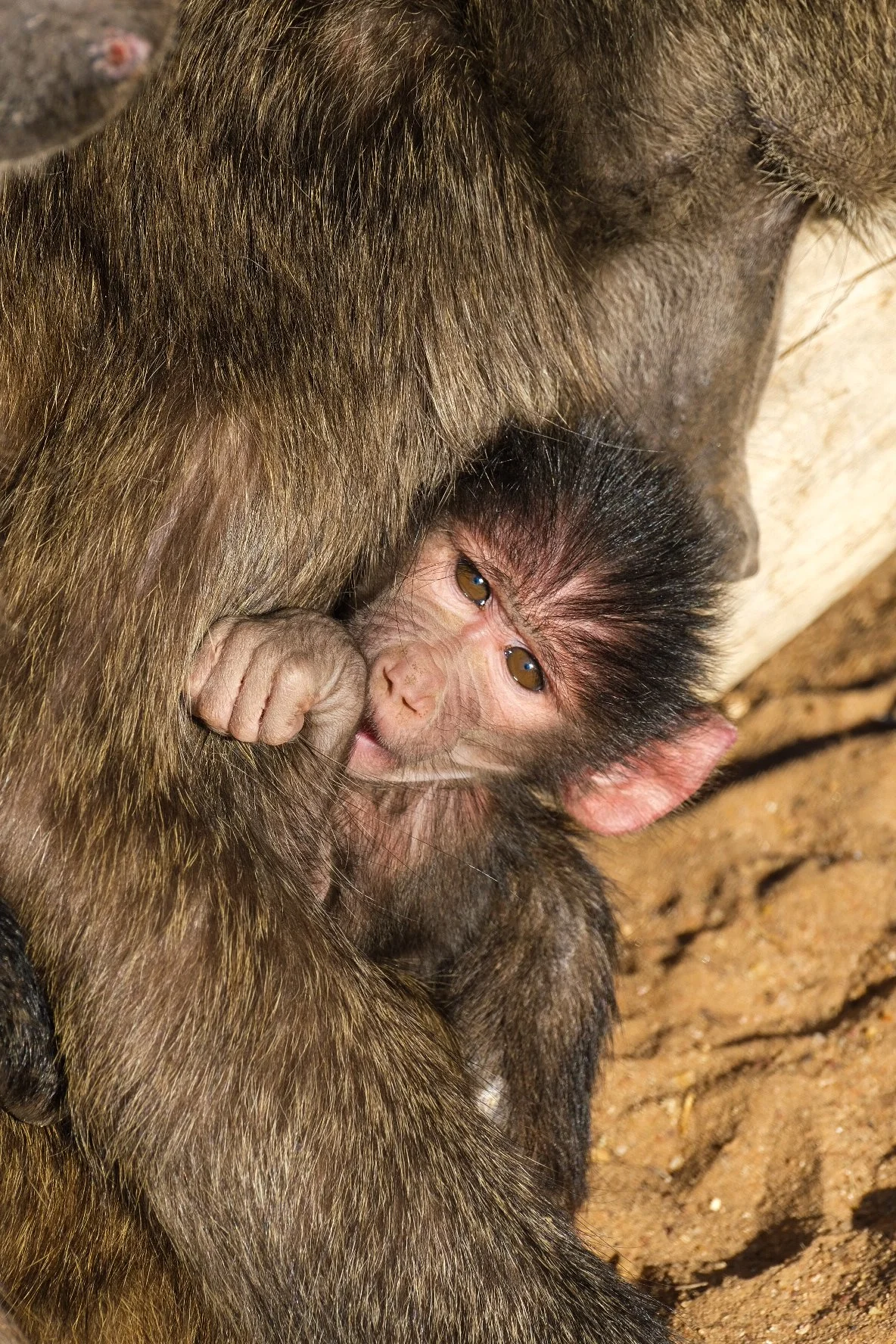
A newborn primate clings to its mother, relying entirely on her movement and warmth. The intimacy of this gesture reflects what the philosopher Emmanuel Levinas describes as the ethical significance of vulnerability. Levinas argued that the face of another being calls us into responsibility because it reveals dependence and exposure (Levinas, Totality and Infinity, 1961). While Levinas primarily wrote about human relationships, many contemporary philosophers extend this idea to animals, suggesting that vulnerability itself creates ethical recognition. The infant’s fragile grip embodies this shared condition across species, reminding us that care and dependence are fundamental aspects of life.
Keeper of the Branches
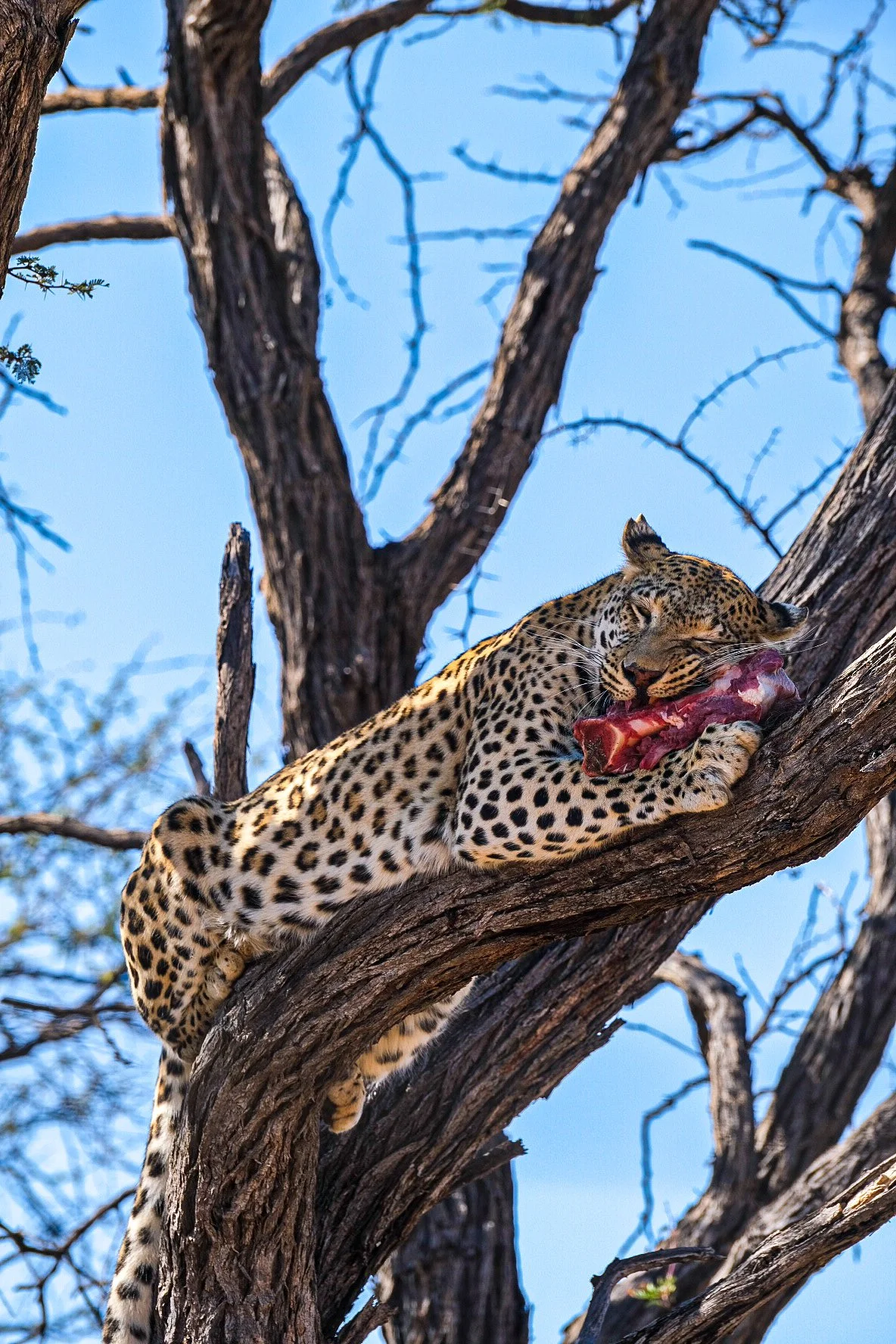
A leopard rests high in a tree with its prey, suspended between hunger and stillness. Predation is often framed purely as violence, yet ecological thinkers such as Aldo Leopold argue that predators play a crucial role in maintaining the balance of living systems. In A Sand County Almanac, Leopold describes how the presence of wolves and other predators sustains the health of entire ecosystems by shaping the behavior and population of prey species (Leopold, 1949). Seen through this lens, the leopard is not only a hunter but also a participant in a larger ecological equilibrium.