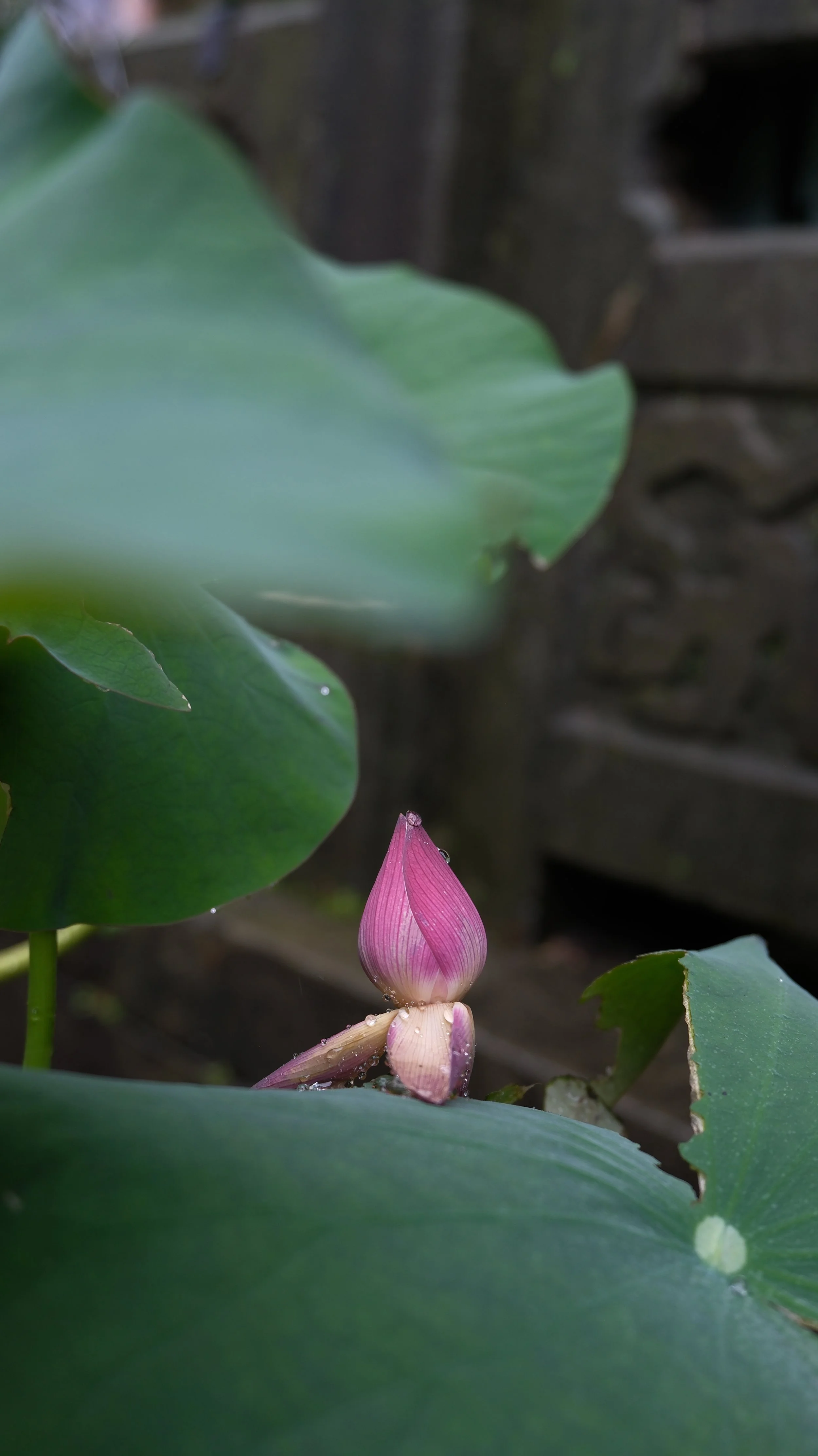
莲(The Lotus)
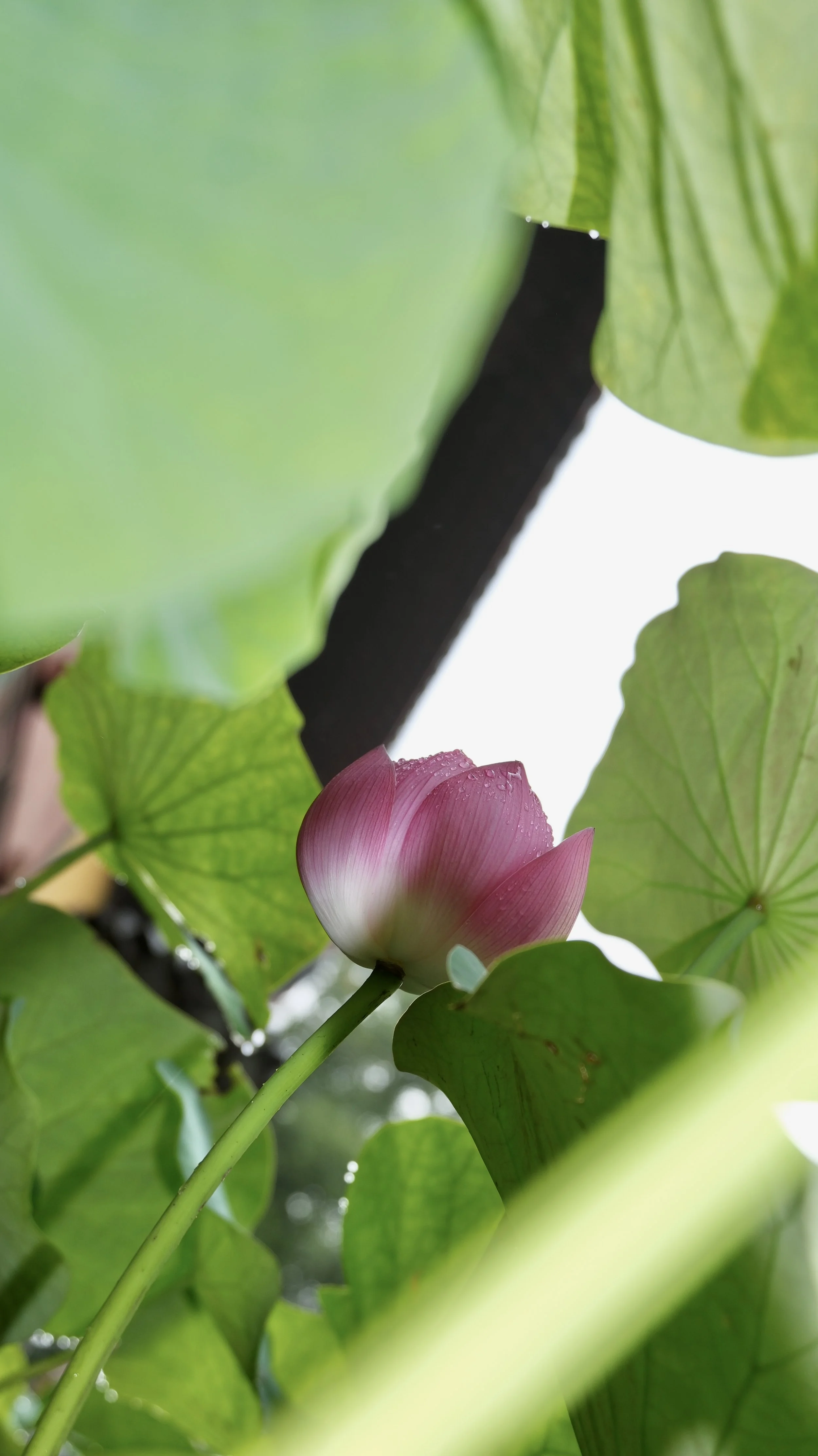
The lotus is often spoken of as a symbol of purity and stillness. It rises quietly from the mud, unfolding soft petals toward the light. Yet in temples, the lotus is more than a flower. It becomes a seat of presence, the place where the Buddha rests above the ordinary world.
Standing among the lotus ponds at Lingyin Temple, I began to notice this quiet contradiction. The petals feel delicate, almost fragile, moving slightly with the wind or a drop of rain. At the same time, the flower carries an unexpected dignity. It holds itself upright, calm and composed, as if aware of the reverence surrounding it.
In Buddhist imagery, enlightenment does not descend from somewhere distant. It grows from the same earth as everything else. The lotus reminds us that softness and strength are not opposites. Sometimes the most gentle things carry the greatest presence.
与佛 (Before the Buddha)
Outside, the lotus feels gentle and within reach. Here, beneath the seated Buddha, the same flower becomes something else—no longer simply a bloom, but a quiet seat of reverence.
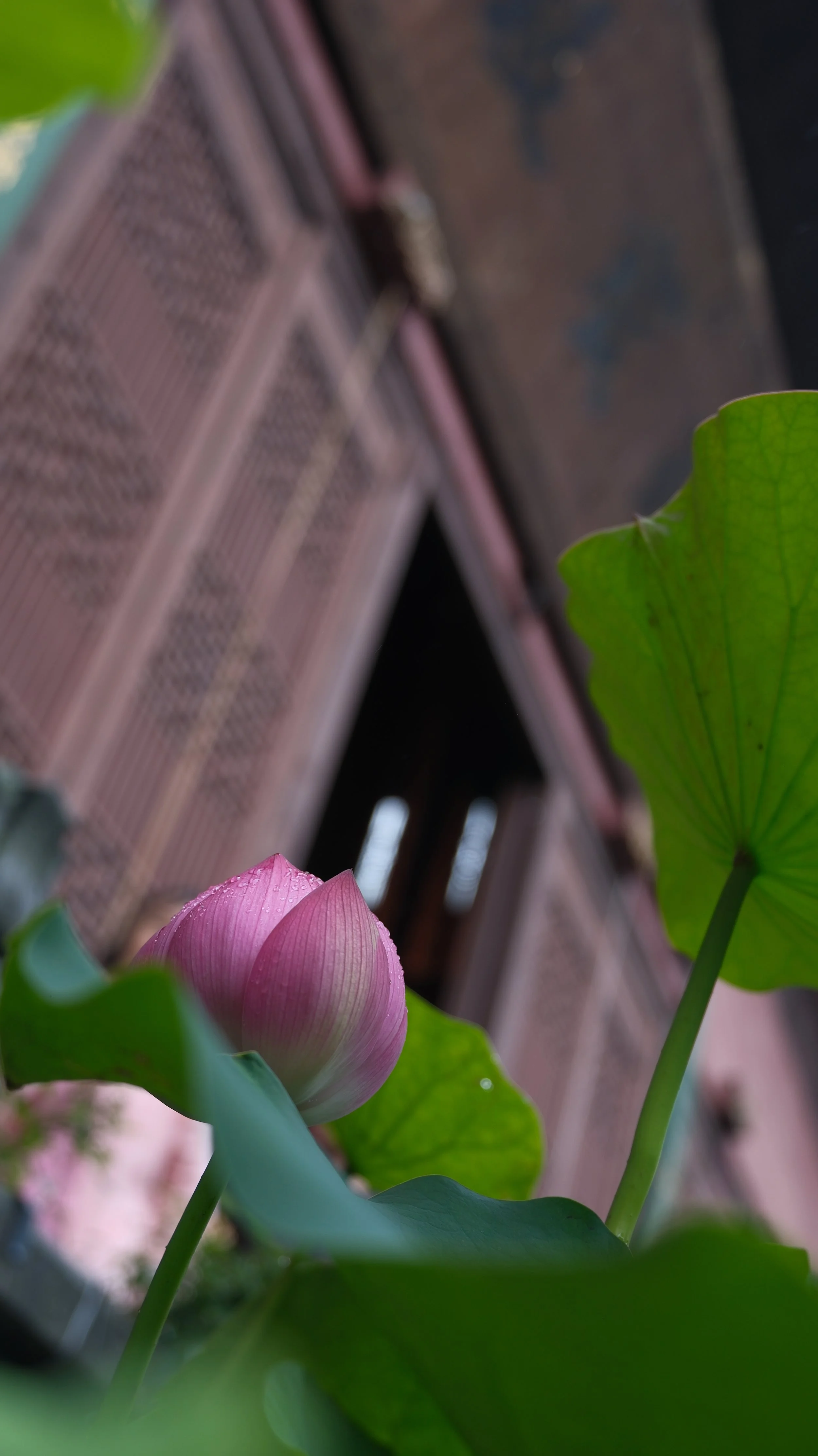
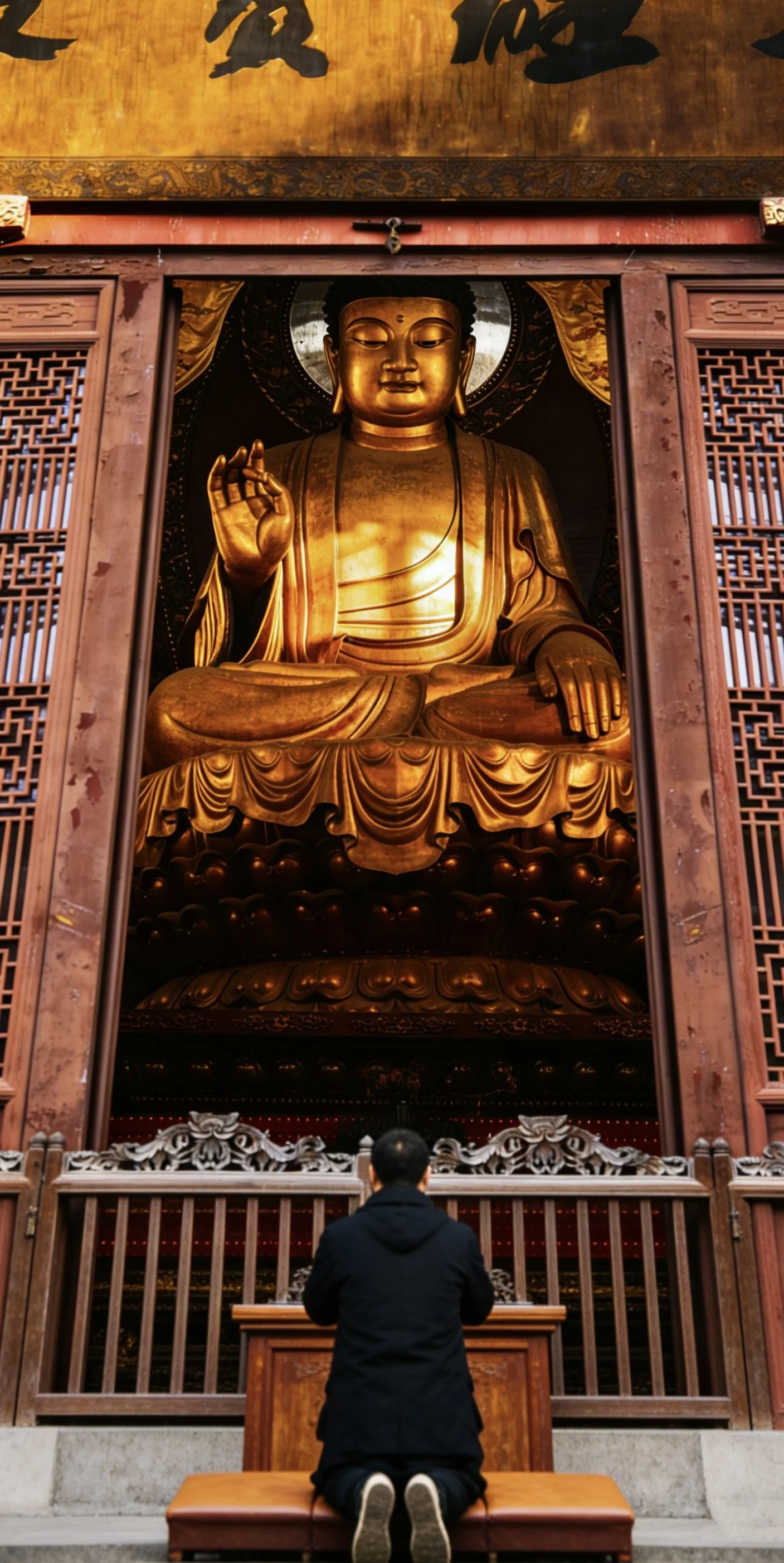
莲 为 净 土 , 佛 坐 其 中。
“The lotus symbolizes the Pure Land, the sacred place where the Buddha resides.”
In Buddhist symbolism, the lotus represents purity, awakening, and transcendence. Because it rises clean from water, the Buddha is often depicted seated on a lotus throne, representing enlightenment emerging from the ordinary world.